Winter blues?
Wintertime doesn’t have to be SAD
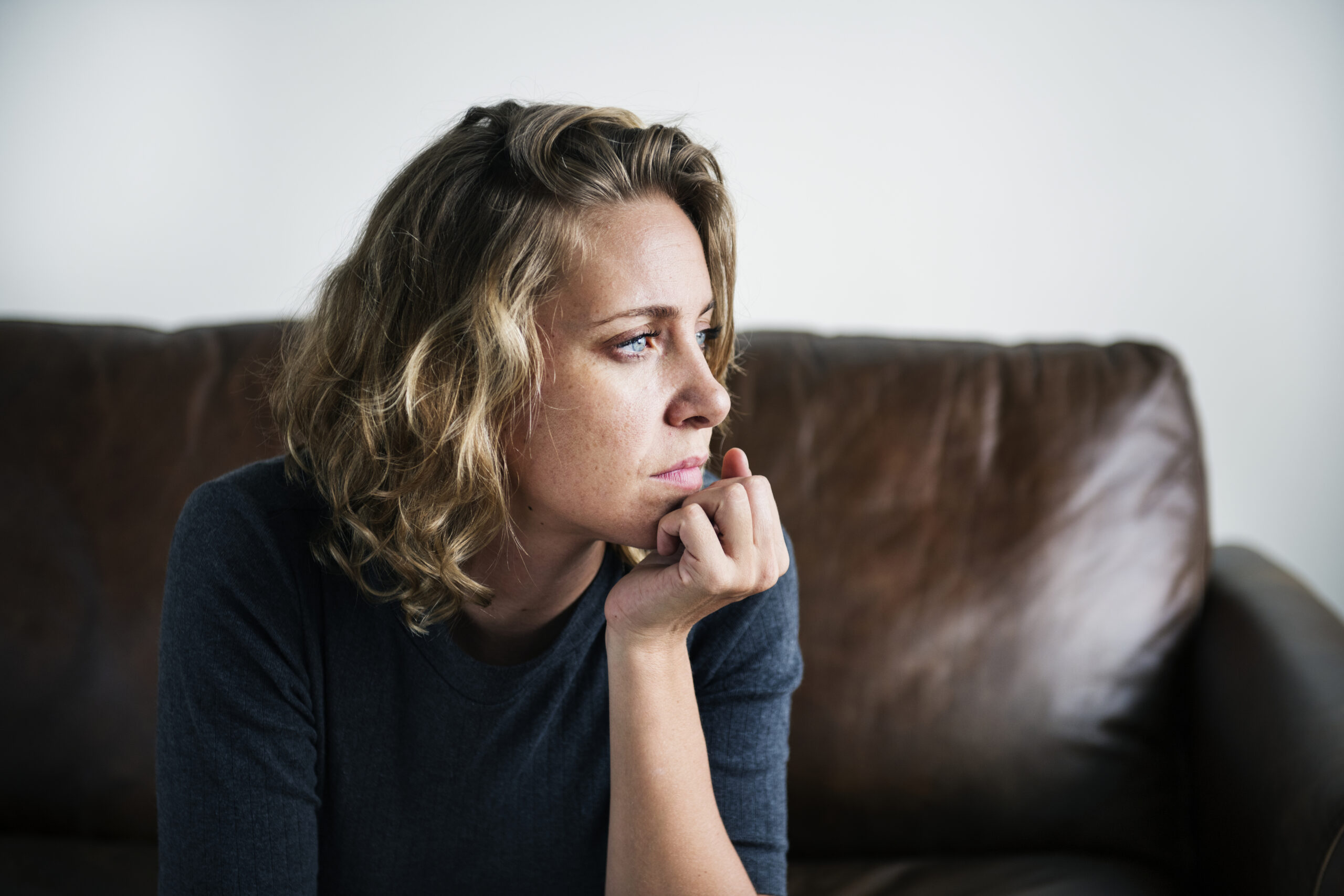
When it’s cold outside and the days are short, do you find yourself feeling down and sleeping more? You may be suffering from seasonal affective disorder, considered a major form of depression.
About 6% of Americans suffer from seasonal affective disorder (SAD), according to Dr. Norman Rosenthal, a researcher and psychiatrist who led the research team to first describe SAD.
“Every year, as the days become short and dark, people with SAD develop a predictable set of symptoms,” Rosenthal says in an article published by the National Institutes of Health’s website. “They slow down and have a hard time waking up in the morning. Their energy level decreases, they tend to eat more, especially sweets and starches, and they gain weight. Their concentration suffers, and they withdraw from friends and family. As you can imagine, their work and relationships suffer, and they can become quite depressed.”
On top of those suffering from SAD, another 14% of Americans suffer from a less-severe form of seasonal mood changes, commonly called “winter blues,” Rosenthal says. People with winter blues sleep about 1.7 hours more during the winter than in other seasons, according to Rosenthal, while those with SAD sleep 2.5 hours more.
And with this pandemic still raging, the situation has been made even worse. That’s why it’s critical that you do everything you can to lift your spirits this winter.
Winter mental health tips
Experts at the Mayo Clinic recommend the following:
- Expose yourself to sunlight whenever possible. Open the shades when you’re inside; bundle up and head outdoors when it’s sunny.
- Incorporate physical activities into your everyday routine. Exercise can do wonders for your mental health.
- Schedule virtual hangouts with friends and family — especially those you can laugh with.
- Talk to your doctor if you’re struggling with SAD or winter blues.