C-section rates on the rise
Ovia offers expert help for your pregnancy
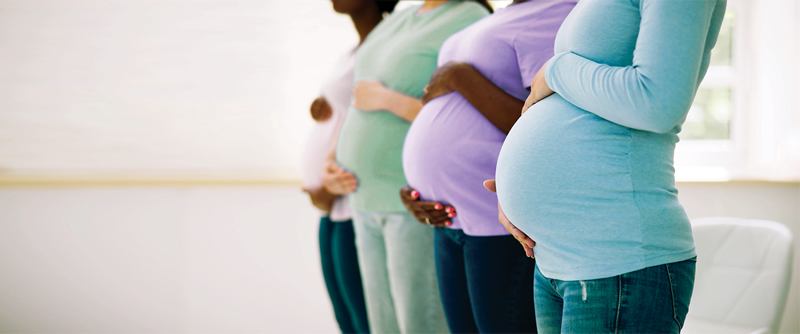
Cesarean section birth rates for MESSA members are higher than both the state and national averages, a trend that experts say is a cause for concern.
Factors driving the trend include more patients with gestational diabetes, higher body weight, high blood pressure, preeclampsia, placenta previa or HIV infection. In some cases, providers may also steer patients who previously had a C-section birth to have another.
“In general, a C-section is more risky than vaginal birth in a healthy and low-risk pregnancy,” said Lisa Richards, manager for the Ovia Health coaching team. “It comes with all of the risk of a major operation such as infection. Some babies may need extra support. There’s blood loss, tissue damage or risk of injury from the surgery itself.”
MESSA members can connect with an Ovia Health coach for support and planning through its free trio of apps for fertility, pregnancy and parenting. Ovia’s in-house coaching team features registered nurses, certified nurse midwives, social workers, lactation coaches and baby sleep coaches. Coaches are available seven days a week via phone and app-based messaging, and are often available when a health care provider is not.
“We really advocate for members to educate themselves to make informed decisions,” Richards said. “Talk to your provider, take a childbirth class, write a birth plan and consider a doula. Also, we can give education. We can help people find hospitals with lower C-section rates. We can answer a lot of questions because health professionals don’t always have the time to talk.”
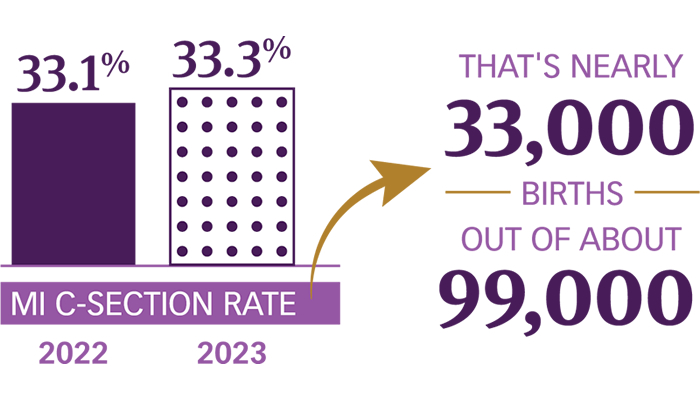
According to the Centers for Disease Control and Prevention, the national C-section rate increased from 32.1% in 2022 to 32.4% in 2023. Michigan rates are slightly higher: 33.1% in 2022 and 33.3% in 2023. That is nearly 33,000 births out of about 99,000 total.
The average rate for MESSA members in 2022 was higher than the national and state numbers at 45.8%. While the rate dropped in 2023, it remained higher than national and state averages at 35%.
Experts say vaginal birth is preferred if it is medically safe.
“I want to caution that it’s not the fault of the mother if a C-section is needed,” said Dawn Shanafelt, director of the Division of Maternal & Infant Health at the Michigan Department of Health and Human Services. “I think a patient expressing their birth plan with a doctor or midwife would be a place to start because if there are challenges that need to be addressed, they can be addressed early.”
Ovia is a free benefit for MESSA members. Learn more about Ovia at messa.org/Ovia.